Ask AI: How to Reduce Bad Cholesterol
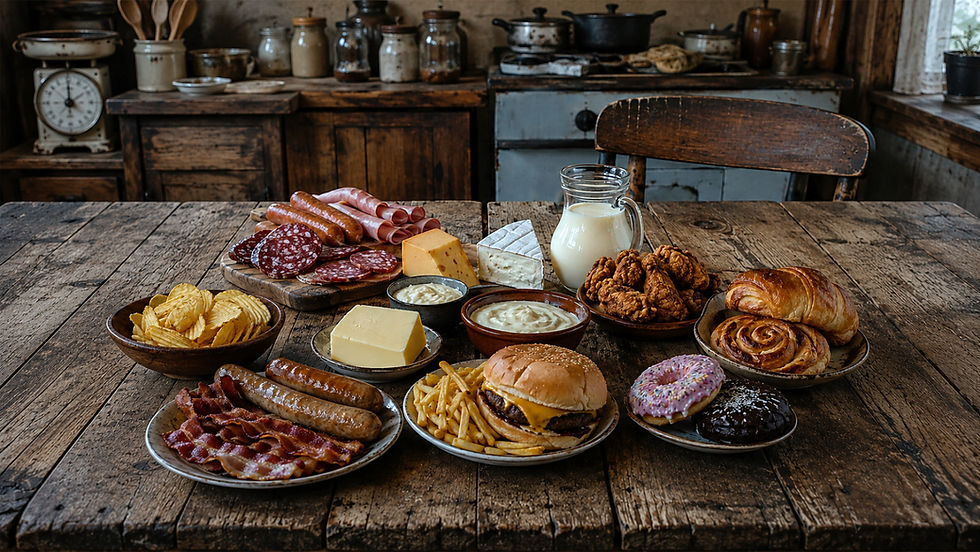
When your goal is to lower LDL (low-density lipoprotein, or “bad”) cholesterol, the biggest dietary changes are to reduce saturated fat and trans fat and replace them with unsaturated fats and high-fibre foods.
Foods to limit or avoid
Food | Why |
Fatty/processed meats – sausages, bacon, salami, burgers | High in saturated fat |
Butter, ghee and lard | Very high in saturated fat |
Full-fat cheese and cream | High in saturated fat |
Pastries, cakes, biscuits and doughnuts | Often high in saturated fat and sometimes trans fat |
Fried/fast foods | Can contain substantial saturated/trans fats |
Coconut oil and palm oil | High in saturated fat |
Processed snack foods | May contain saturated fat and refined carbohydrates |
Large amounts of egg yolk | Contains dietary cholesterol, although saturated fat generally has a greater effect on blood LDL |
Better choices
Oats and barley — particularly useful because they contain soluble fibre (beta-glucan).
Beans, lentils and chickpeas
Fruit and vegetables
Nuts and seeds
Olive or rapeseed oil instead of butter
Avocado
Oily fish such as salmon, sardines and mackerel
Lower-fat dairy where practical
Wholegrain bread, brown rice and wholegrain cereals
A useful rule is: replace rather than simply remove. For example, use olive oil instead of butter, nuts instead of biscuits, and beans or fish instead of processed meat.
Also, you generally don't need to eliminate all fat or all eggs to lower cholesterol. The overall pattern of your diet matters more.